Welcome to DVNO Wine.
You are about to view Lauren & Lawrence’s Wine Registry.
To continue, please click “Wine Registry”.
If you are NOT here for the Registry, please click “Home Page”
We hope you enjoy your visit.


About Arianna Occhipinti
These days, Arianna Occhipinti stands as a venerated rockstar among makers of natural wine, so it’s easy to forget that Arianna’s inaugural... bottling went on the market less than two decades ago when she was just 22. Inspired by her uncle, Giusto Occhipinti of COS wines in Sicily, Arianna went to Milan to study enology, and she was quickly disillusioned by the teaching that focused on chemistry and labs. Arianna felt inspired by grapes, by soil, by weather, and by the beauty that her native island of Sicily brought to wine. Arianna returned to Vittoria, Sicily, and she began making wines her way. Today, she owns 56 acres (17 under vine), farmed organically, growing indigenous Frappato and Nero d’Avola, as well as Grillo, Moscato di Alessandria, Zibibbo, and Albano. In 2013, Arianna and her team completed building a specially designed cantina, allowing for cement fermentation, gaining in amphora, and space to teach the next generation of natural winemaking geniuses.About Arianna Occhipinti
These days, Arianna Occhipinti stands as a venerated rockstar among makers of natural wine, so it’s easy to forget that Arianna’s inaugural... bottling went on the market less than two decades ago when she was just 22. Inspired by her uncle, Giusto Occhipinti of COS wines in Sicily, Arianna went to Milan to study enology, and she was quickly disillusioned by the teaching that focused on chemistry and labs. Arianna felt inspired by grapes, by soil, by weather, and by the beauty that her native island of Sicily brought to wine. Arianna returned to Vittoria, Sicily, and she began making wines her way. Today, she owns 56 acres (17 under vine), farmed organically, growing indigenous Frappato and Nero d’Avola, as well as Grillo, Moscato di Alessandria, Zibibbo, and Albano. In 2013, Arianna and her team completed building a specially designed cantina, allowing for cement fermentation, gaining in amphora, and space to teach the next generation of natural winemaking geniuses.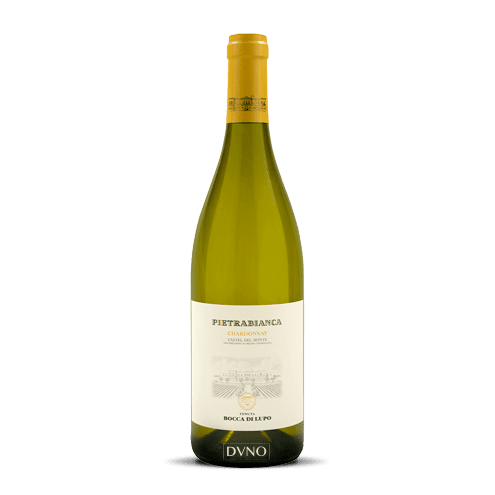
Marchesi Antinori Tormaresca / Tenuta Bocca di Lupo
Tormaresca, the Antinori family’s Puglia estate, founded in 1998, began with two parts: the 247-acre Tenuta Bocca di... Lupo, which sits in Castel del Monte in the wild beauty of Murgia, and the 1,235-acre Masseria Maìme in Salento, close to the Adriatic Sea. In time, Antinori split these estates, bottling Bocca di Lupo as its own entity, while expanding Tormaresca to include additional inland vines at Tenuta Carrubo, located in Manduria. Growing both indigenous and international grape varietals, Tormaresca draws from these locations to create wines that offer a panoramic view of Puglia, while offering a finessed style that bridges traditional Italian and more modern wine profiles. As with most of Antinori's estates, Tormaresca and Bocca di Lupo are under the guidance of CEO, enologist, and winemaker Renzo Cotarella and his team, who work to craft wines that transmit the region's unusual volcanic terroir. Together, these sites craft a range of delicious, terroir-driven Puglian wines that pack a punch at their relatively low price points.About Altesino
Housed in a fifteenth-century palazzo in Montosoli, the most northern region of the Brunello region, Altesino is something of a contradiction. On the one hand,... this family-owned-and-operated estate is devoted to modernist winemaking. The Altesino team, helmed by Simone Giunti and Alessandro Ciacci, ages its finessed, layered Brunello wines in barrique — and this modernist turn began more than four decades ago. On the other hand, Altesino’s owner, Elisabetta Gnudi Angelini, who bought the estate in 2002, puts an old-school emphasis on the estate’s vines, and it sustainably tends its 247 acres (about half under vine) in order to ensure the high quality of its grapes. While Montosoli remains Altesino’s home, over the years the estate has added new parcels to its portfolio, and it now boasts six separate vineyards that range from Castelnuovo dell’Abate and Sant’Angelo in Colle in the South to Montosoli in the North. This range of terroirs not only lends richness and texture to Altesino’s wines but also allows this marque producer to grow grapes like Cabernet Sauvignon, Merlot, and select white grapes. Always nuanced, sophisticated, and polished, Altesino’s wines are prized by Brunello fans around the world.
About Col d'Orcia
Originally from Piemonte, the Cinzano family — yes, that Cinzano family, the one that brought Vermouth to the global market —acquired the Col d’Orcia... estate in the 1970s and the winery’s Poggio al Vento soon became one of the iconic Brunello bottlings. The largest certified organic estates in all of Tuscany, Col d'Orcia's positioning on Brunello’s southwestern slope offers a warmer climate and helps the estate’s grapes become rounder, gentler, and a little less acidic than those from other parts of Montalcino. Col d'Orcia boasts albarese soil, the limestone-rich, mineral-laden earth that helps make Tuscany special. Col d’Orcia’s tenth-generation winemaker, Santiago Marone Cinzano, uses vinification techniques that are a mix of traditional and modern — for example, the estate employs both botti and barriques for aging, and this combination offers a compelling integration of power and finesse, as well as a terrific marriage of age-worthiness and drinkability.
Fontodi Chianti Classico 2019
Fontodi’s 2019 Chianti Classico is a standout in this vintage — wonderfully structured for both immediate enjoyment and nice longevity, this... wine has it all! Savory notes of forest floor, licorice, truffles, and gravel dust frame this wine’s pure cherry and berry fruits, which are dusted with spice and sprinkled with violet petals. Chewy tannins, intense minerality, zingy acidity, and substantial dry extract envelop the palate as the wine glides to a complex, lip-smacking, and lingering finish. If you’re a fan of pure, unadulterated Tuscan winemaking at its traditional best, Fontodi’s organic Chianti will make you very, very happy.About Cerbaiona
Situated just northeast of the town of Montalcino, Cerbaiona’s lands occupy prime territory; its steep vineyards boast soils of limestone, shale, and clay,... while its location offers a happy medium between the structured wines of Brunello’s northern zone and the ripeness of Brunello’s southern zone. In 2015, Matthew Fioretti and his team bought Cerbaiona and began an ambitious six-year replanting program that increases vine density, replaces international vines with specially selected Sangiovese Grosso clones, and expands the estate’s holdings to almost ten acres. In addition, the new Cerbaiona team has updated the cantina — it’s a lot of hard work in the service of raising the bar at the cult Cerbaiona estate! The payoff began with the release of the velvety and layered 2016 Brunello, a sign that the future is rosy at Cerbaiona, one of the great Brunello estates.About Arianna Occhipinti
These days, Arianna Occhipinti stands as a venerated rockstar among makers of natural wine, so it’s easy to forget that Arianna’s inaugural... bottling went on the market less than two decades ago when she was just 22. Inspired by her uncle, Giusto Occhipinti of COS wines in Sicily, Arianna went to Milan to study enology, and she was quickly disillusioned by the teaching that focused on chemistry and labs. Arianna felt inspired by grapes, by soil, by weather, and by the beauty that her native island of Sicily brought to wine. Arianna returned to Vittoria, Sicily, and she began making wines her way. Today, she owns 56 acres (17 under vine), farmed organically, growing indigenous Frappato and Nero d’Avola, as well as Grillo, Moscato di Alessandria, Zibibbo, and Albano. In 2013, Arianna and her team completed building a specially designed cantina, allowing for cement fermentation, gaining in amphora, and space to teach the next generation of natural winemaking geniuses.
About Antinori Napa Valley
Rising up to 1,800 feet above sea level on Atlas Peak, the Antinori family’s Napa Valley property boasts some of the highest elevation vineyards... in the region. It’s superb land for winegrowing, with cooling Pacific breezes, volcanic soils, and southwest exposure — making it all the more surprising that Piero Antinori took about forty years to determine which grapes were best suited to the property! After much trial and tribulation, and after trying and failing to grow Sangiovese, the team at Antinori Napa Valley came to the realization that Chardonnay was the estate’s star, with supporting roles from Cabernet Sauvignon and Cabernet Franc. Spanning almost 550 acres, with the red grapes planted in the foothills and Chardonnay at the peaks, this Napa Valley estate blends Italian traditions with Californian terroir to make some of the best-kept secrets of Northern California wine.About Meroi
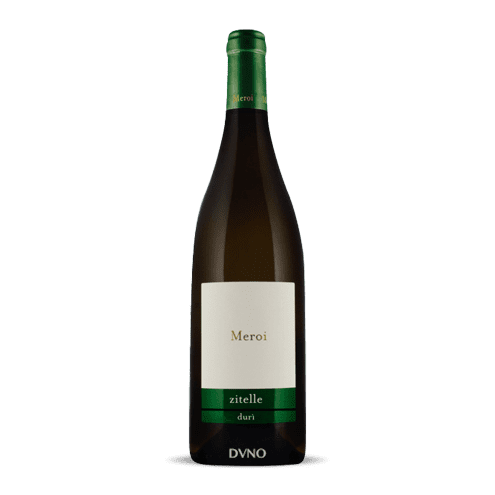
In 1920, restaurateur Domenico Meroi his estate in Buttrio, located in the tiny, historic region of Colli Orientali in Friuli. More than 100 years later, this... 81-acre estate remains family owned and operated, now helmed by Domenico’s great-grandson, Paolo. Meroi crafts a range of 13 wines, mostly cru whites, but they also make Merlot and Refosco, as well as a sweet Picolit. Aside from Meroi’s prodigious talent, the winery can boast fantastic soils that are a blend of sandstone and marl — regionally known as “ponca,” and they own portions of the prestigious Zitelle vineyard, known as a grand cru in the area. Meroi employs sustainable agriculture in the vineyards, and they use simple winemaking methods, relying on natural yeasts, fermenting and aging in barrels, either new or used, depending on the wine. Fans of artisanal, terroir-driven Italian wine will undoubtedly love Meroi’s traditional, finely made bottlings.About Cerbaiona
Situated just northeast of the town of Montalcino, Cerbaiona’s lands occupy prime territory; its steep vineyards boast soils of limestone, shale, and clay,... while its location offers a happy medium between the structured wines of Brunello’s northern zone and the ripeness of Brunello’s southern zone. In 2015, Matthew Fioretti and his team bought Cerbaiona and began an ambitious six-year replanting program that increases vine density, replaces international vines with specially selected Sangiovese Grosso clones, and expands the estate’s holdings to almost ten acres. In addition, the new Cerbaiona team has updated the cantina — it’s a lot of hard work in the service of raising the bar at the cult Cerbaiona estate! The payoff began with the release of the velvety and layered 2016 Brunello, a sign that the future is rosy at Cerbaiona, one of the great Brunello estates.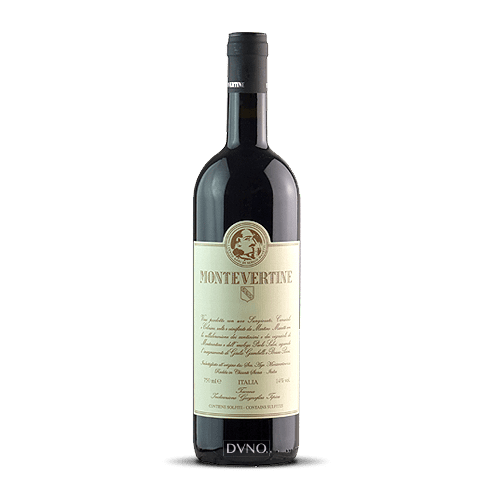
About Montevertine
Just under 50 acres located in and around the rolling hills of Radda in the Chianti Classico region, Montevertine has made a powerful impact on the global... wine landscape with its cult mono-varietal bottling, Le Pergole Torte, but even more than that glowing achievement, Montevertine has exerted a kind of gravitational pull over the entire Chianti region because of its staunch adherence to traditional indigenous grapes, especially Sangiovese. Founder Sergio Manetti wasn’t looking to shift the Tuscan winemaking landscape when he bought the lands that would become Montevertine in 1967, but he planted about five acres of Sangiovese, made some wine for friends, and sent a couple of bottles off to Vinitaly as a lark. The wine was a hit, and Montevertine was born. Today, Montevertine, helmed by Sergio’s son, Martino, spans nine organically tended vineyard parcels, with the majority planted to Sangiovese, and it crafts three wines. Montevertine’s position has shifted from new guard to vanguard, and wine-lovers around the globe await every new release with bated breath.About Arianna Occhipinti
These days, Arianna Occhipinti stands as a venerated rockstar among makers of natural wine, so it’s easy to forget that Arianna’s inaugural... bottling went on the market less than two decades ago when she was just 22. Inspired by her uncle, Giusto Occhipinti of COS wines in Sicily, Arianna went to Milan to study enology, and she was quickly disillusioned by the teaching that focused on chemistry and labs. Arianna felt inspired by grapes, by soil, by weather, and by the beauty that her native island of Sicily brought to wine. Arianna returned to Vittoria, Sicily, and she began making wines her way. Today, she owns 56 acres (17 under vine), farmed organically, growing indigenous Frappato and Nero d’Avola, as well as Grillo, Moscato di Alessandria, Zibibbo, and Albano. In 2013, Arianna and her team completed building a specially designed cantina, allowing for cement fermentation, gaining in amphora, and space to teach the next generation of natural winemaking geniuses.About Arianna Occhipinti
These days, Arianna Occhipinti stands as a venerated rockstar among makers of natural wine, so it’s easy to forget that Arianna’s inaugural... bottling went on the market less than two decades ago when she was just 22. Inspired by her uncle, Giusto Occhipinti of COS wines in Sicily, Arianna went to Milan to study enology, and she was quickly disillusioned by the teaching that focused on chemistry and labs. Arianna felt inspired by grapes, by soil, by weather, and by the beauty that her native island of Sicily brought to wine. Arianna returned to Vittoria, Sicily, and she began making wines her way. Today, she owns 56 acres (17 under vine), farmed organically, growing indigenous Frappato and Nero d’Avola, as well as Grillo, Moscato di Alessandria, Zibibbo, and Albano. In 2013, Arianna and her team completed building a specially designed cantina, allowing for cement fermentation, gaining in amphora, and space to teach the next generation of natural winemaking geniuses.
No account yet?
Create an Account