Welcome to DVNO Wine.
You are about to view Lauren & Lawrence’s Wine Registry.
To continue, please click “Wine Registry”.
If you are NOT here for the Registry, please click “Home Page”
We hope you enjoy your visit.

San Vito Tosacana IGT 2019
While Matthew Fioretti, Cerbaiona’s winemaker-owner, crafted this Merlot to gratify his own palate, he has... realized that it’s too good to keep to himself. The extremely low production 2019 San Vito Toscana derives from Merlot grapes purchased from trusted growers, and after whole berry fermentation, it ages in a combination of new barrique and amphorae; the resulting wine is a cult item waiting to happen.
Marchese Antinori Castello della Sala
The stone fortress that serves as the namesake for Umbria’s Castello della Sala was built in 1350, but the modern age for this estate... began in 1940, when Marchese Niccolò Antinori purchased the 1,200-acre estate (495 acres planted to vine). In the late 1970s, Piero Antinori, son of Niccolò, felt inspired to create an age-worthy, complex white wine, so he joined forces with Umbrian native Renzo Cotarella, who had recently joined the Castello della Sala team. After years of tinkering, experimenting, and eureka moments, the estate’s flagship white, Cervaro della Sala was born, which saw its debut with the 1985 vintage, and a new Italian wine icon was born. But Castello della Sala isn’t limited to high quality whites; the estate’s vineyards sport fossil-rich calcareous-clay soils that, while ideal for white grape varietals, also makes for spectacular Pinot Noir. Today’s Castello della Sala crafts a range of wines that include multiple whites and reds, as well as Muffato della Sala, a showstopping dessert wine.
About Marchesi Antinori Prunotto
Located in the rolling hills of Alba, Piemonte, the Prunotto estate epitomizes the timeless beauty and effortless elegance of the Langhe.... Founded in 1904, Prunotto began as a wine cooperative formed in Serralunga and presided over by Alfredo Prunotto. Beppe Colla assumed control of the estate in 1956 and expanded Prunotto’s success with a savvy strategy of researching the finest vineyard sites, purchasing the best grapes, and experimenting with cru bottlings. The Antinori family started distributing Prunotto’s wine in 1989 and assumed control of the estate in 1994. In a project spearheaded by Albiera Antinori, Prunotto recreated itself with an eye to wines defined by very specific terroir. Albiera began researching and purchasing specific vineyards, eventually amassing 161 acres that spread across the Langhe and Monferrato, with holdings in the legendary Barolo vineyards of Vigna Colonnello, Bussia, Bric Turot, as well as Barbera’s Pian Romualdo, Barbaresco’s Secondine, and many more. Under Albiera’s careful stewardship, Prunotto has not merely regained its former glory — it has surpassed it, cementing this venerable winemaker as one of the very best that Piemonte has to offer.
About Canalicchio di Sopra
Canalicchio di Sopra’s history is also the history of Montalcino. Once a sharecropper, Primo Pacenti founded the estate in 1962 on land that his... family had worked for generations. Primo was proud to be one of the original twelve members of the Brunello Consortium; when he retired, Primo handed Canalicchio di Sopra to his son-in-law, Pier Luigi Ripaccioli, and since 2001, the estate has been run by Pier Luigi’s three children, Francesco, Marco, and Simonetta. With two vineyard parcels that sit north and east of the town of Montalcino, sheltered by Mount Amiata and kissed by sea breezes blowing off the Mediterranean, Canalicchio di Sopra’s 47 acres occupy some of the highest altitudes in the Brunello region and possess a superb range of microclimates. “Elegance” is the watchword at Canalicchio di Sopra, and this maker delivers, vintage after delicious vintage.
About Giuseppe Quintarelli
Since the beginning of the twentieth century, the Giuseppe Quintarelli estate has been patiently crafting game-changing wines from its 27 acres in... the Veneto. Giuseppe, or “Bepi,” seemed to be a magician, and his natural talent, along with high quality vineyards, gave the Quintarelli estate an edge. Bepi’s concept of vintage approval and strict grape selection rivaled even the great chateaux of Sauternes; he patiently let his wines rest in large Slovenian oak casks until they finished their fermentations; and he waited to release his wines until he thought they were the best they could be. Bepi died in 2012, but he trained his daughter Franca and her husband Giampaolo Grigoli to make wine as he did: wonderfully, magically, and with little fanfare. Today’s Quintarelli estate follows Bepi’s patient, high-quality, low-quantity winemaking practices — thus Quintarelli wines are always in painfully small quantity and in super-high quality. Quintarelli’s limited-production Amarones and Valpolicellas have long been the epitome of excellence, and the estate’s Primofiore, Rosso del Bepi, and Ca’ del Merlo are lesser-known, compelling beauties.Fontodi Vin Santo del Chianti Classico 2012 375ml
Rich, opulent, and wonderfully complex, this organic Vin Santo from Fontodi offers terrific complexity, profound aromatics,... and a decadent drinking experience. Layers of dried figs, apricots, and raisins are dusted with cocoa powder and baking spices, drizzled with salted caramel, and shot through with orange zest and marmalade in this important Vin Santo. A blend of Malvasia and Sangiovese, Fontodi’s Vin Santo gives a nice balance among its elements — silky tannins, fresh acidity, juicy fruits, salty minerals, and lingering sweetness.
About Prunotto
Located in the rolling hills of Alba, Piemonte, the Prunotto estate epitomizes the timeless beauty and effortless elegance of the Langhe. Founded in 1904,... Prunotto began as a wine cooperative formed in Serralunga and presided over by Alfredo Prunotto. Beppe Colla assumed control of the estate in 1956 and expanded Prunotto’s success with a savvy strategy of researching the finest vineyard sites, purchasing the best grapes, and experimenting with cru bottlings. The Antinori family started distributing Prunotto’s wine in 1989 and assumed control of the estate in 1994. In a project spearheaded by Albiera Antinori, Prunotto recreated itself with an eye to wines defined by very specific terroir. Albiera began researching and purchasing specific vineyards, eventually amassing 161 acres that spread across the Langhe and Monferrato, with holdings in the legendary Barolo vineyards of Vigna Colonnello, Bussia, Bric Turot, as well as Barbera’s Pian Romualdo, Barbaresco’s Secondine, and many more. Under Albiera’s careful stewardship, Prunotto has not merely regained its former glory — it has surpassed it, cementing this venerable winemaker as one of the very best that Piemonte has to offer.AboutMiani
Miani’s Enzo Pontoni stands head and shoulders above most of his winemaking peers — both literally and figuratively. The nearly seven-foot tall Pontoni towers... in the vineyard, but he knows his vines on a first-name basis, and as a result, he crafts some of the most hard-to-get wines in Italy’s Colli Orientali del Friuli. Enzo thinks each individual vine possesses its own microclimate, and he tends to his individual plants with individualized care, something that includes possibly the most assertive green harvests in all of Italy. Where other winemakers would leave several bunches of grapes on a vine, Enzo leaves one, maybe two. Where other winemakers would garner a few thousand bottles of wine from a plot, Enzo will get a few hundred. Famously reclusive and shy, Enzo owns only nine acres of vineyards but rents another 22, and he produces fewer than 1,600 cases a year, and that’s 1,600 total cases, spread across his various bottlings. Enzo works with a number of different varieties, from Chardonnay to Ribolla Gialla to Tocai Friulano to Sauvignon Blanc, but he also makes some evocative reds, including his Merlots and Refoscos — all of which inspire collectors to snap them up upon release. No matter the Miani wine, they’re extraordinarily rare, explosive, cult-inspiring, and delicious. AboutMiani
Miani’s Enzo Pontoni stands head and shoulders above most of his winemaking peers — both literally and figuratively. The nearly seven-foot tall Pontoni towers... in the vineyard, but he knows his vines on a first-name basis, and as a result, he crafts some of the most hard-to-get wines in Italy’s Colli Orientali del Friuli. Enzo thinks each individual vine possesses its own microclimate, and he tends to his individual plants with individualized care, something that includes possibly the most assertive green harvests in all of Italy. Where other winemakers would leave several bunches of grapes on a vine, Enzo leaves one, maybe two. Where other winemakers would garner a few thousand bottles of wine from a plot, Enzo will get a few hundred. Famously reclusive and shy, Enzo owns only nine acres of vineyards but rents another 22, and he produces fewer than 1,600 cases a year, and that’s 1,600 total cases, spread across his various bottlings. Enzo works with a number of different varieties, from Chardonnay to Ribolla Gialla to Tocai Friulano to Sauvignon Blanc, but he also makes some evocative reds, including his Merlots and Refoscos — all of which inspire collectors to snap them up upon release. No matter the Miani wine, they’re extraordinarily rare, explosive, cult-inspiring, and delicious.About Fontodi
Tenuta Fontodi has everything going for it: amazing history, terrific microclimates, outstanding skill, intense passion, and great people. The estate sits the... Conca d’Oro, or golden bowl, an ideal spot for winegrowing, and the Manetti family, who has owned the 200-acre Fontodi estate since 1968, has roots in Chianti Classico that date back to 1398, the year when Chianti had its very first official designation. Although the Manettis have been terracotta makers longer than they have been vintners, their love for Toscana drives both pursuits, and, indeed, Giovanni Manetti, Fontodi’s owner-winemaker, has been the president of the Chianti Consorzio since 2018. Fontodi has made some radical changes in recent years, including removing the Cabernet Sauvignon component of its Vigna del Sorbo, making it pure Sangiovese, and opting to vinify some of their wines in amphorae. Certified organic, thoroughly traditional, and utterly bewitching, Fontodi’s wines stand as the epitome of Tuscan elegance, and that never goes out of style.
About Domaine Faiveley
Founded in 1825 in Nuits-Saint-Georges, Domaine Faiveley stands as one of the largest, most important, and finest Burgundy houses. Faiveley has always... been family owned and operated, and since 2005, seventh-generation winemaker Erwan Faively has been at the head of the domaine, aided by winemaker Jérôme Flous since 2007 and Erwan’s sister, Eve, since 2014. At around 320 acres, Domaine Faiveley is big, sporting properties in multiple grand cru vineyards, many premier cru vineyards, and several monopoles. Erwan has helped the estate grow both in size and in quality, and Faively’s many cru bottlings come from small, meticulously tended parcels, making Faveley’s output both wide ranging and tantalizingly small in quantity. Faiveley is known for making rich, detailed wines with polished tannins, fresh acidity, and terrific transparency; for these reasons, there’s never enough Domaine Faiveley for its many, many fans.
Zýme Kairós Verona 2009
Upon its release, the 2009 Kairos was praised for its silky texture, bewitching perfume, and terrific transparency. Now with more than a decade of... age, this indescribable red is firing on cylinders, layering its sweet red berries and black cherries with wood, baking spices, worn leather, and touches of sauvage, orange peel, earth, and walnuts. A blend of around fifteen grape varietals, Kairós is usually a wild ride, although the 2009 vintage brings a sense of elegance, refinement, and polish to this exuberant wine. Drinking wonderfully now, the 2009 Kairós still has a few years ahead of it!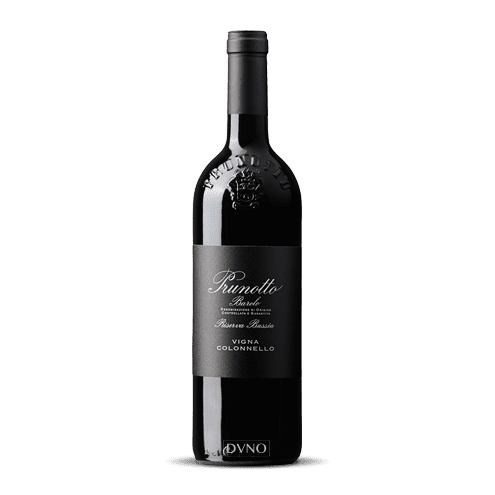
About Marchesi Antinori Prunotto
Located in the rolling hills of Alba, Piemonte, the Prunotto estate epitomizes the timeless beauty and effortless elegance of the Langhe.... Founded in 1904, Prunotto began as a wine cooperative formed in Serralunga and presided over by Alfredo Prunotto. Beppe Colla assumed control of the estate in 1956 and expanded Prunotto’s success with a savvy strategy of researching the finest vineyard sites, purchasing the best grapes, and experimenting with cru bottlings. The Antinori family started distributing Prunotto’s wine in 1989 and assumed control of the estate in 1994. In a project spearheaded by Albiera Antinori, Prunotto recreated itself with an eye to wines defined by very specific terroir. Albiera began researching and purchasing specific vineyards, eventually amassing 161 acres that spread across the Langhe and Monferrato, with holdings in the legendary Barolo vineyards of Vigna Colonnello, Bussia, Bric Turot, as well as Barbera’s Pian Romualdo, Barbaresco’s Secondine, and many more. Under Albiera’s careful stewardship, Prunotto has not merely regained its former glory — it has surpassed it, cementing this venerable winemaker as one of the very best that Piemonte has to offer.About Cerbaiona
Situated just northeast of the town of Montalcino, Cerbaiona’s lands occupy prime territory; its steep vineyards boast soils of limestone, shale, and clay,... while its location offers a happy medium between the structured wines of Brunello’s northern zone and the ripeness of Brunello’s southern zone. In 2015, Matthew Fioretti and his team bought Cerbaiona and began an ambitious six-year replanting program that increases vine density, replaces international vines with specially selected Sangiovese Grosso clones, and expands the estate’s holdings to almost ten acres. In addition, the new Cerbaiona team has updated the cantina — it’s a lot of hard work in the service of raising the bar at the cult Cerbaiona estate! The payoff began with the release of the velvety and layered 2016 Brunello, a sign that the future is rosy at Cerbaiona, one of the great Brunello estates.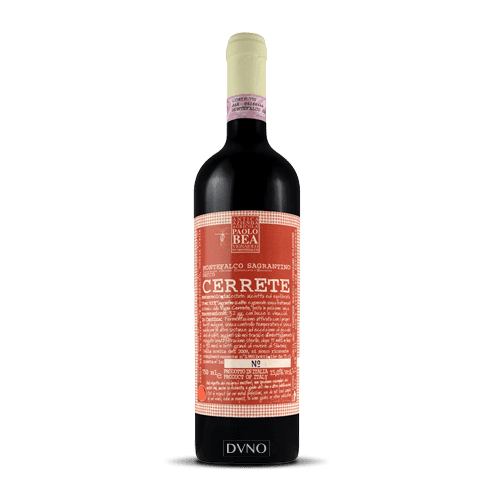
About Paolo Bea
Founded more than 400 years ago, the family-owned-and-operated Paolo Bea estate has long been a standard bearer of the Italian Slow Food Movement, and its... motto is "Nature should be observed, listened to and integrated, not dominated. Wine is not made by man but generated by nature!" Because of this dedication to natural agriculture and winemaking, Bea’s team nurtures its grapes with organic, non-interventionist practices, and it continues that reliance on nature in the cellar, crafting its wines without temperature control and without any additives, yeasts, fining or filtration. The septuagenarian Paolo Bea is still the guiding force behind the estate, and he shares his traditional approach with his two sons: Giuseppe farms the vineyards, and Giampiero, current president of the Italian natural wine society Viniveri, heads up the winemaking. The Bea estate purposefully keeps its production low — so low that demand for its exceptional reds and outrageous whites always exceed supply.About Giacomo Borgogno & Figli
One of Barolo’s oldest, best-known, and most influential producers, Giacomo Borgogno & Figli was founded in 1761 by Bartolomeo Borgogno, and... more than 250 years later, this estate is guided by its founding principle: to make wine that reflects its land. Historical documents show that Borgogno sat among the originators of estate-bottled Barolo, and the estate’s 1861 Barolo was poured at the official banquet celebrating the unification of Italy. Borgogno’s longevity is owing to its traditional methods followed with an eye to ensure the longevity of the wine, and the estate’s commitment to age-worthiness extends to its own cellars, which maintains an extensive library of vintages held back for decades. In 2008, the Borgogno family sold the estate to the Farinetti family, and Andrea Farinetti, backed by consulting enologist Beppe Caviolo, has worked hard to raise the profile of Borgogno’s wines. The estate’s 96 acres (74 under vine) are now fully organic, and vinification occurs in traditional cement tanks with aging in large neutral botti. While Farinetti and Caviolo have added cru bottlings to the Borgogno lineup, this change is the only concession to “modern” tastes, and recent Borgogno releases testify to the team’s commitment to telegraphing the estate’s magnificent terroir with transparency and timelessness.

About Canalicchio di Sopra
Canalicchio di Sopra’s history is also the history of Montalcino. Once a sharecropper, Primo Pacenti founded the estate in 1962 on land that his... family had worked for generations. Primo was proud to be one of the original twelve members of the Brunello Consortium; when he retired, Primo handed Canalicchio di Sopra to his son-in-law, Pier Luigi Ripaccioli, and since 2001, the estate has been run by Pier Luigi’s three children, Francesco, Marco, and Simonetta. With two vineyard parcels that sit north and east of the town of Montalcino, sheltered by Mount Amiata and kissed by sea breezes blowing off the Mediterranean, Canalicchio di Sopra’s 47 acres occupy some of the highest altitudes in the Brunello region and possess a superb range of microclimates. “Elegance” is the watchword at Canalicchio di Sopra, and this maker delivers, vintage after delicious vintage.
About Il Poggione Brunello
Founded near the end of the nineteenth century, Il Poggione’s modern age began in 1958, when Leopoldo Franceschi, grandfather of the current... owner, engaged renowned winemaker Pierluigi Talenti as the estate’s winemaker. Pierluigi made the most of Il Poggione’s considerable natural gifts for 40 years, shaping the estate’s muscular, graceful, and aromatic house style as he trained Fabrizio Bindocci, who assumed control of the estate in 1999, and he now runs the estate with his son, Alessandro. Nestled in the southern Brunello subzone in the hills around Sant’Angelo in Colle, Il Poggione’s 1,482 acres (302 planted to vine) possess some astonishing terroir. Today’s Il Poggione grows its grapes with non-interventionist methods, and it crafts its wines in its state-of-the-art cantina using traditional methods, including aging its wines in large oak vats in its underground cellar. One of the great authentic Brunello makers, Il Poggione’s wines consistently over-perform both in the cellar and on the table.No account yet?
Create an Account


