Welcome to DVNO Wine.
You are about to view Lauren & Lawrence’s Wine Registry.
To continue, please click “Wine Registry”.
If you are NOT here for the Registry, please click “Home Page”
We hope you enjoy your visit.

Marchesi Antinori Tignanello IGT 2019
A blend of 80% Sangiovese, 13% Cabernet Sauvignon, and 7% Cabernet Franc in 2019, the most recent Tignanello release almost vibrates with energy, but this Tig is still holding its aces close to the vest, and it needs some time in the cellar to mellow its edges. Juicy cherries and succulent dark fruits dance with crushed herbs, tomato leaf, baking spices, and touches of warm earth, rain-spattered wildflowers, and baking spices. Like most 2019 Super Tuscans, this Tig is all about refinement, poise, sneaky power, and texture — cellar for a few years and enjoy for decades.
About Marchesi Antinori Tenuta Tignanello
The Antinori family’s Tenuta Tignanello is a gently hilly property located between that the family has owned since the 1800s. This 321-acre Tuscan estate gets its name — Tignanello — from its most famous vineyard, but its vines grow the grapes for multiple wines. When Piero Antinori was searching to add his own voice to the Super-Tuscan revolution in the late 1960s, he turned to Giacomo Tachis, the consulting winemaker behind Sangiovese, as well as Ornellaia. Piero wanted to make wines that reflected his family’s Tuscan heritage, and in 1971, Tignanello, a blend of Sangiovese, Cabernet, and Cabernet Franc, was born. Sporting marly, limestone-rich soils that show remnants of the Pliocene Period when the region was covered in an ocean, Tenuta Tignanello enjoys sunny days, cool nights, and a gentle breeze, ideal conditions for wines that sing with a true Tuscan voice.
| Wine Type | |
|---|---|
| Country | |
| Region | |
| Subregion | |
| Vintage | |
| Producer | |
| Bottle Size | |
| Pack Type | |
| Alcohol Percentage | |
| Availability |
About Castello Bonomi
The Paladin family, who has been making estate-bottled wine for about 60 years, owns several estates across Italy, from the Veneto to Tuscany, but... perhaps their most famous and most distinct is Castello Bonomi, in Lombardy’s Franciacorta region. With vinicultural history that dates back to medieval Benedictine monks, Franciacorta spans about 5,400 acres, but this rare northern Italian region is devoted to one unique style of wine: the best champagne-styled sparklers that you can find outside of France — indeed, it’s the sole DOCG region that permits classic méthode champenoise sparklers. The family-owned-and-operated Castello Bonomi estate is housed in a gorgeous art deco villa built in the late nineteenth century, and the estate’s vineyards sit on 60 steeply pitched acres in a natural amphitheater that rests at the foot of Mount Orfano. These terraced vineyards enjoy a privileged microclimate that includes limestone-rich soils, southern exposures, excellent drainage, and pure sunlight. These elements provide the raw materials that Castello Bonomi’s Chardonnay and Pinot Nero grapes need, while a strict green harvest, low yields, and stringent grape sorting help the estate’s team craft a range of terroir-driven, award-winning Franciacorta wines.Fontodi Vin Santo del Chianti Classico 2012 375ml
Rich, opulent, and wonderfully complex, this organic Vin Santo from Fontodi offers terrific complexity, profound aromatics,... and a decadent drinking experience. Layers of dried figs, apricots, and raisins are dusted with cocoa powder and baking spices, drizzled with salted caramel, and shot through with orange zest and marmalade in this important Vin Santo. A blend of Malvasia and Sangiovese, Fontodi’s Vin Santo gives a nice balance among its elements — silky tannins, fresh acidity, juicy fruits, salty minerals, and lingering sweetness.

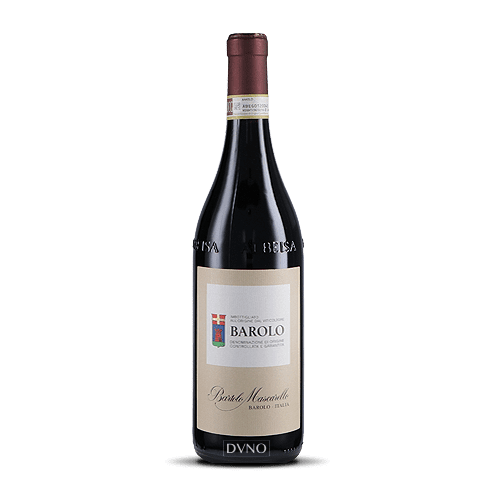
About Bartolo Mascarello
Bartolo Mascarello was an intractable defender of traditional Barolo, the “last of the Mohicans,” in his words. Bartolo made Barolos that... gorgeously embodied their vintage and their terroir, and these supple, powerful, and nuanced wines have captivated their fans for generations. Since Bartolo’s passing in 2005, his daughter Maria Teresa Mascarello has helmed the cantina at 15 Via Roma, the legendary site of the Bartolo Mascarello estate since its founding in 1918, and under her leadership, Mascarello’s Barolo, Dolcetto, and Barbera have grown even finer, subtler, more detailed, and spellbinding. While the Mascarello estate sports enviable holdings in Cannubi, San Lorenzo and Rué, located in the commune of Barolo, as well as in La Morra’s Rocche in the commune of La Morra, it still has never released a cru wine. Blending, Bartolo believed, provided balance, especially in challenging vintages. Maria Teresa sees no reason to change her father’s ways (or those of his father, and his before him). After all, there’s no improving upon perfection.About Bartolo Mascarello
Bartolo Mascarello was an intractable defender of traditional Barolo, the “last of the Mohicans,” in his words. Bartolo made Barolos that... gorgeously embodied their vintage and their terroir, and these supple, powerful, and nuanced wines have captivated their fans for generations. Since Bartolo’s passing in 2005, his daughter Maria Teresa Mascarello has helmed the cantina at 15 Via Roma, the legendary site of the Bartolo Mascarello estate since its founding in 1918, and under her leadership, Mascarello’s Barolo, Dolcetto, and Barbera have grown even finer, subtler, more detailed, and spellbinding. While the Mascarello estate sports enviable holdings in Cannubi, San Lorenzo and Rué, located in the commune of Barolo, as well as in La Morra’s Rocche in the commune of La Morra, it still has never released a cru wine. Blending, Bartolo believed, provided balance, especially in challenging vintages. Maria Teresa sees no reason to change her father’s ways (or those of his father, and his before him). After all, there’s no improving upon perfection.No account yet?
Create an Account