Welcome to DVNO Wine.
You are about to view Lauren & Lawrence’s Wine Registry.
To continue, please click “Wine Registry”.
If you are NOT here for the Registry, please click “Home Page”
We hope you enjoy your visit.

About Mamete Prevostini
Fewer than 50 acres in the pristine Valtellina subregion, located in northern Italy’s Lombardia, Mamete Prevostini is something of a cult superstar... in the making. The Prevostini family has been living in Valtellina’s craggy Alpine hills for generations; indeed, this family-owned-and-operated estate saw its start in the 1920s, when Mamete started making his own wine to accompany the fine food he served in his restaurant. In addition to its award-winning Chiavennasca bottlings, Prevostini also crafts a range of whites and rosés, which derive from lower altitude vineyards. Prevostini grows its grapes sustainably, and it vinifies its wines in its state-of-the-art carbon-neutral cantina, aging them in natural crotti, of caves, which dot the region. Winemaker-owner Mamete Prevostini, grandson of the founder, sees his natural — and naturally delicious — winemaking as a commitment to nature and to tradition. Remarkable expressions of their Dolomite terroir, Prevostini’s wines evoke the clear mountain air, sparkling sunshine, and rare alpine microclimates.Fontodi Vin Santo del Chianti Classico 2012 375ml
Rich, opulent, and wonderfully complex, this organic Vin Santo from Fontodi offers terrific complexity, profound aromatics,... and a decadent drinking experience. Layers of dried figs, apricots, and raisins are dusted with cocoa powder and baking spices, drizzled with salted caramel, and shot through with orange zest and marmalade in this important Vin Santo. A blend of Malvasia and Sangiovese, Fontodi’s Vin Santo gives a nice balance among its elements — silky tannins, fresh acidity, juicy fruits, salty minerals, and lingering sweetness.
About Bartolo Mascarello
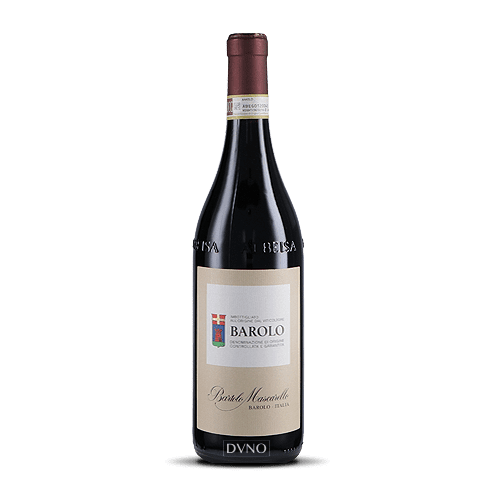
Bartolo Mascarello was an intractable defender of traditional Barolo, the “last of the Mohicans,” in his words. Bartolo made Barolos that... gorgeously embodied their vintage and their terroir, and these supple, powerful, and nuanced wines have captivated their fans for generations. Since Bartolo’s passing in 2005, his daughter Maria Teresa Mascarello has helmed the cantina at 15 Via Roma, the legendary site of the Bartolo Mascarello estate since its founding in 1918, and under her leadership, Mascarello’s Barolo, Dolcetto, and Barbera have grown even finer, subtler, more detailed, and spellbinding. While the Mascarello estate sports enviable holdings in Cannubi, San Lorenzo and Rué, located in the commune of Barolo, as well as in La Morra’s Rocche in the commune of La Morra, it still has never released a cru wine. Blending, Bartolo believed, provided balance, especially in challenging vintages. Maria Teresa sees no reason to change her father’s ways (or those of his father, and his before him). After all, there’s no improving upon perfection.About Bartolo Mascarello
Bartolo Mascarello was an intractable defender of traditional Barolo, the “last of the Mohicans,” in his words. Bartolo made Barolos that... gorgeously embodied their vintage and their terroir, and these supple, powerful, and nuanced wines have captivated their fans for generations. Since Bartolo’s passing in 2005, his daughter Maria Teresa Mascarello has helmed the cantina at 15 Via Roma, the legendary site of the Bartolo Mascarello estate since its founding in 1918, and under her leadership, Mascarello’s Barolo, Dolcetto, and Barbera have grown even finer, subtler, more detailed, and spellbinding. While the Mascarello estate sports enviable holdings in Cannubi, San Lorenzo and Rué, located in the commune of Barolo, as well as in La Morra’s Rocche in the commune of La Morra, it still has never released a cru wine. Blending, Bartolo believed, provided balance, especially in challenging vintages. Maria Teresa sees no reason to change her father’s ways (or those of his father, and his before him). After all, there’s no improving upon perfection.No account yet?
Create an Account